
Everything You Need to Know About Dental Crowns at Seminole Premier Dental

What are dental crowns?
Dental crowns, or as some people call them, dental caps, are full-coverage protection for a tooth that's had one too many fillings or cavities. There are several different types: zirconia, which is an all-white metal crown; porcelain fused to metal, which is the more traditional one with white porcelain over a metal coating; and EMAC, which is pure porcelain for aesthetics. After a root canal, it's always advised to get a crown because the tooth becomes much weaker and is less likely to survive without the crown. It's a very simple procedure where we reshape the tooth to make space for the crown on top.
Does the placement of the crown hurt?
The placement of the crown rarely hurts. It's usually just a little bit of discomfort for a few seconds, and then that's it.
Do crowns look like normal teeth?
Yes, crowns look like normal teeth, depending on the material you opt for. If you choose zirconia, EMAC, or even many porcelain-fused-metal crowns, they'll be matched to the color of the surrounding teeth to look natural.
How do you take care of dental crowns?
You should take care of them similarly to how you take care of your normal teeth, with proper brushing and flossing. The average life expectancy is said to be between 5 and 10 years, but with good oral hygiene, they can last much longer. Some people have had crowns for over 20 years, and they still look perfect.
Why Choose Porcelain Crowns?

Porcelain dental crowns are a proven and time-tested solution to teeth chipping and cracking that our team here at Seminole Premier Dental has mastered over years of combined experience. These appliances are placed on the top, or crown, of the tooth to hide imperfections and help create a more full and natural-looking smile. Today, most dental crowns are made entirely from porcelain and are made specifically to best match a patient’s existing natural teeth.
Our team at Seminole Premier Dental offers patients several different dental crown solutions that can help patients achieve a beautiful and natural-looking smile free of chipping, discoloration, and other aesthetic imperfections.
All-Ceramic Crowns
In addition to all-porcelain crowns, all ceramic crowns are another phenomenal crowns option that are especially beneficial for crowns patients who already have older sets of crowns that require upgrading. This newer crowns alternative can help previous crowns patients benefit from the newest and best version of crowns treatments, all while gaining the improved cosmetic and aesthetic value that all-ceramic crown possess.
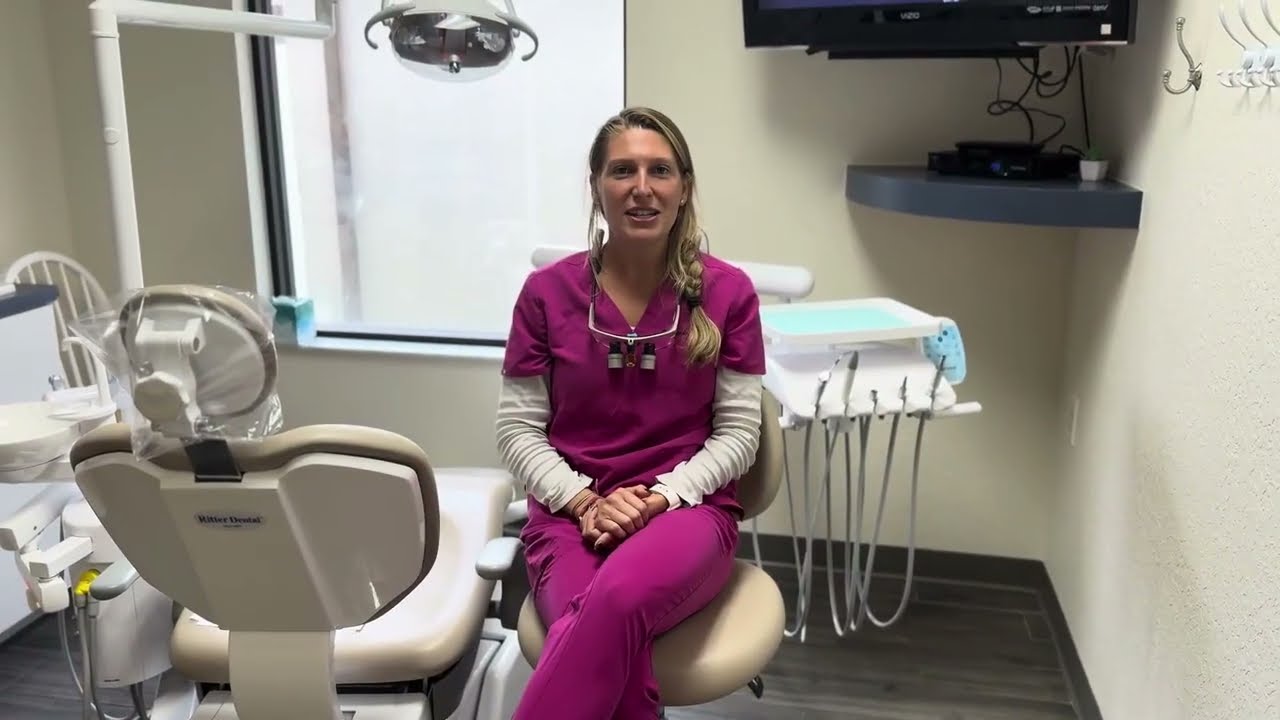
What is a crown and when is it recommended?
A crown is recommended whenever you have a fractured tooth, undergo a root canal and a lot of the tooth structure is missing, or if you chip a tooth, for example, from trauma in an aesthetic area. I get many questions about front teeth crowns being natural. Front teeth crowns can look really natural. There are different types of materials for crowns, and we can use some that make them natural-looking.
Is a crown required after a root canal?
Some patients ask if a crown is required after a root canal. After a root canal, a crown is usually required due to a lot of the tooth structure missing and the tooth becoming brittle from not having nutritional value from the nerve anymore. Sometimes a crown can be avoided after a root canal. For example, if a root canal was needed due to trauma and the tooth wasn't chipped at all, sometimes a filling can be sufficient.
Can a root canal and crown be done in one visit?
Yes, a root canal and a crown can be done in one visit.
What is the procedure for getting a crown?
Some patients are curious about the procedure for a crown. On the day of a crown, you would come in and take a preliminary impression so that we can make a temporary crown afterward. I would then numb you using anesthetic if needed. Sometimes, if you have had a root canal on a tooth, you don't require anesthetic. Only the gum area would need to be numbed.
Afterward, the procedure would start. We would begin by shaving down your tooth. Once everything is done, we would scan using our intraoral camera and send that to the lab for the permanent crown. Once that is done, we will make your temporary crown and temporarily cement it.
About one to two weeks afterward, you would come back, and we would cement the permanent crown if everything looks good on the X-rays and is clean.
Is there pain related to getting a crown placed?
Some patients are worried about the pain related to having a dental crown placed. Usually, you won't have any pain when having a dental crown placed. Sometimes you can have some sensitivity after getting the preparation of a dental crown done. That is due to the fact that the enamel is shaved down and the layer underneath is exposed. However, the sensitivity should start getting better. Overall, the procedure should be painless.
How long will a dental crown last?
Some patients are curious about how long a dental crown will last. A dental crown usually lasts around 15 years. However, some patients can have a dental crown for even longer. I've seen some patients with a dental crown for 30 years that is still intact.
How is a cavity underneath a crown treated?
When you get a cavity underneath a dental crown, we will detect it using an X-ray, which is where we clinically feel a stick underneath the crown. The only way to treat that cavity underneath the crown is to remove the previously cemented crown and redo the prep, which would require a new permanent crown.
If you’re looking for dental care you can trust, call us at (727) 289-5034 or email [email protected]. We’re here to help you have the smile you've always wanted!